
The History and Tradition of Shipbuilding, Maritime Industry, and Naval Engineering in Rijeka
I’ve always been fascinated by how Rijeka evolved into one of Croatia’s pivotal maritime centers. This document traces the journey from artisanal wooden ship construction in the 1800s to today’s modern, high-tech shipyards. By highlighting key dates, technological advancements, and pivotal events, I aim to provide an authoritative narrative on Shipbuilding in Rijeka, Croatian maritime history, and the transformation of Adriatic shipyards
19th Century: The Foundations of Modern Shipbuilding
The Early Maritime Landscape
I recall that in the early 1800s, Rijeka was part of the vast Austro-Hungarian sphere—a melting pot where Central European engineering met Mediterranean maritime traditions. During this time, local craftsmen built wooden sailing vessels primarily for trade and military use.
- Artisanal Craftsmanship: Local shipbuilders were renowned for their skill in constructing robust, elegant wooden ships that could withstand long sea voyages. This period was marked by meticulous handcrafting techniques and a deep respect for traditional methods.
- Economic and Strategic Importance: Rijeka’s position on the Adriatic made it a key node in the region’s maritime trade routes, prompting early investments in shipbuilding infrastructure.
The Advent of Industrialization
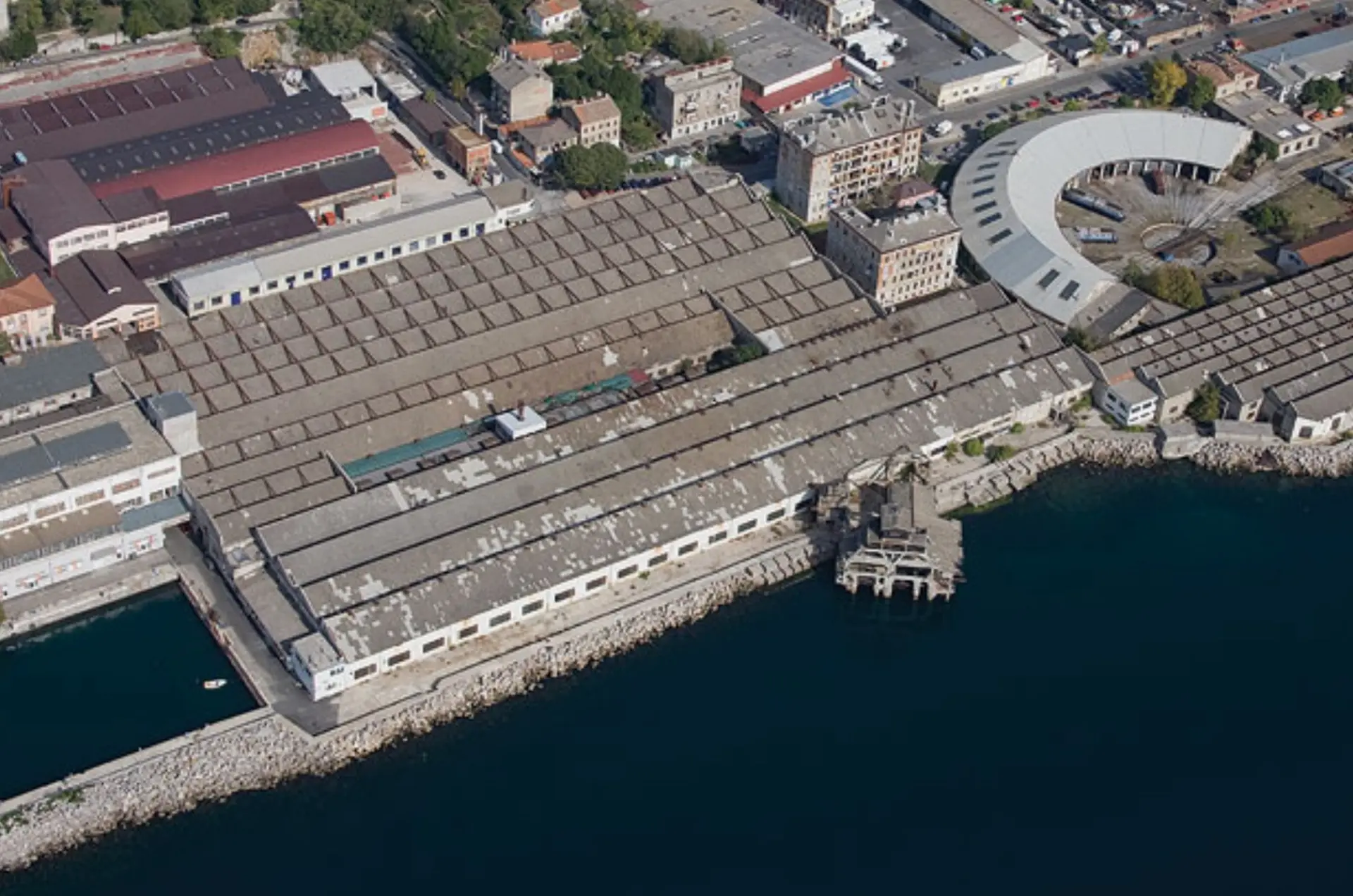
- Transition to Industrial Shipyards: Around the mid-19th century, the introduction of industrial methods signaled a major shift. In 1856, the establishment of the Hungarian Royal Naval Shipyard (later evolving into what some know as the “Ganz-Danubius” facility) marked Rijeka’s leap from handcrafted wooden vessels to more industrialized production.
- Material Innovations: The latter half of the century saw a gradual shift from wood to iron and steel. This change wasn’t just a technical upgrade—it represented Rijeka’s response to increasing demands for larger, more durable ships as global trade expanded.
Early 20th Century: Industrial Expansion and Innovation
The Austro-Hungarian Zenith
By the early 1900s, Rijeka’s shipyards were critical to the Austro-Hungarian naval fleet and international merchant trade. I appreciate how the region’s shipbuilders embraced the steam revolution.
- Steam-Powered Vessels: The shift to steam not only modernized ship propulsion but also demanded a complete overhaul in design philosophy. Rijeka’s shipyards adapted rapidly, producing warships, merchant steamers, and luxury liners.
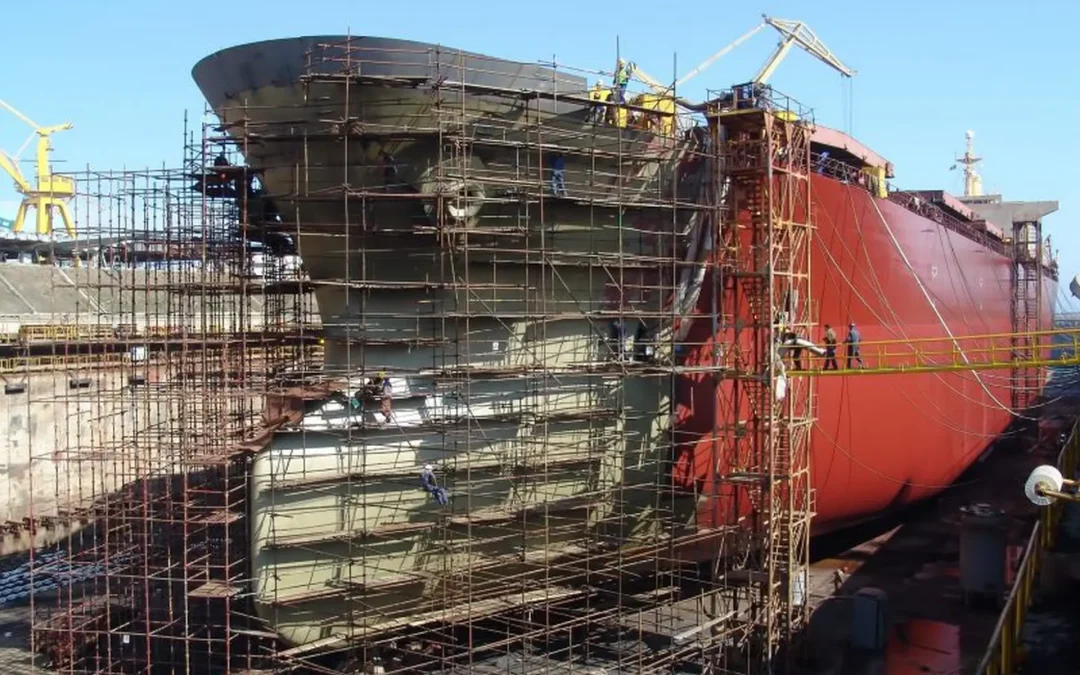
- Infrastructure Developments: In 1913, the construction of advanced dry docks allowed for the production and maintenance of larger vessels—a technical marvel for its time.
The Impact of World War I
- Mobilization for War: As the Great War unfolded, Rijeka’s industrial capacity was harnessed for military production. Shipyards pivoted to meet the demand for military vessels, including support ships and early submarines.
- Strategic Adaptation: Despite the challenges of wartime production, the period solidified Rijeka’s reputation as a reliable source of both military and civilian maritime engineering.
Mid-20th Century: Socialist Yugoslavia and the Golden Era of Shipbuilding
Post-World War II Recovery
After the devastation of World War II, Rijeka underwent a dramatic transformation under socialist Yugoslavia. I’ve seen firsthand how this era revived and redefined the shipbuilding industry.
- Nationalization and Modernization: In the immediate post-war years (1945–1950), Rijeka’s shipyards were nationalized, with substantial state investments fueling modern upgrades and expansion.
- Establishment of Flagship Shipyards: The 3. Maj shipyard emerged as a cornerstone of Yugoslav shipbuilding. It specialized in constructing bulk carriers, tankers, and passenger ships that were the envy of global competitors.
- Peak Production: From the 1950s through the 1970s, Rijeka and the wider Kvarner region ranked among the world’s top 10 shipbuilders. Technological integration, rigorous engineering standards, and a skilled workforce drove this golden era.
The Technological Boom
- Innovation in Design and Engineering: Continuous research and development led to innovations in hull design, propulsion systems, and onboard technology. Rijeka’s shipyards were not just building ships—they were engineering marvels that combined durability with aesthetic appeal.
- Skilled Workforce: Generations of engineers and craftsmen nurtured a culture of precision and excellence, ensuring that each vessel was a testament to Croatian ingenuity.
21st Century: Revival, Modernization, and Future Prospects
EU Integration and Renewed Investments
With Croatia’s accession to the European Union in 2013, a new chapter of revitalization began.
- Modernization Initiatives: EU funding and strategic government initiatives have spurred the modernization of historic shipyards. Emphasis has been placed on digitalization, smart ship technology, and eco-friendly production methods.
- Renewed Competitiveness: Key shipyards like 3. Maj and Viktor Lenac have adapted by diversifying their portfolios—ranging from LNG carriers and hybrid-powered vessels to luxury yachts and specialized military ships.
The Technological Frontier
- Green Technologies: As environmental concerns take center stage globally, Rijeka’s shipyards are investing heavily in green technologies, including alternative fuels and energy-efficient designs.
- Global Collaborations: Strategic partnerships with international tech firms and engineering institutes have positioned the region at the forefront of maritime innovation.
- Future Vision: Looking ahead, Rijeka is poised to blend its rich historical legacy with the latest technological advancements, ensuring it remains a key player in global shipbuilding.
Reflecting on the long and storied history of shipbuilding in Rijeka and the Kvarner region, I see a narrative of resilience, innovation, and transformation. From the hand-crafted wooden vessels of the 19th century to today’s state-of-the-art shipyards, this region has continuously adapted to meet the evolving demands of maritime trade and naval engineering. For anyone exploring Shipbuilding in Rijeka, Croatian maritime history, or modern shipbuilding in Croatia, this document serves as both a historical record and a beacon for future innovations.