
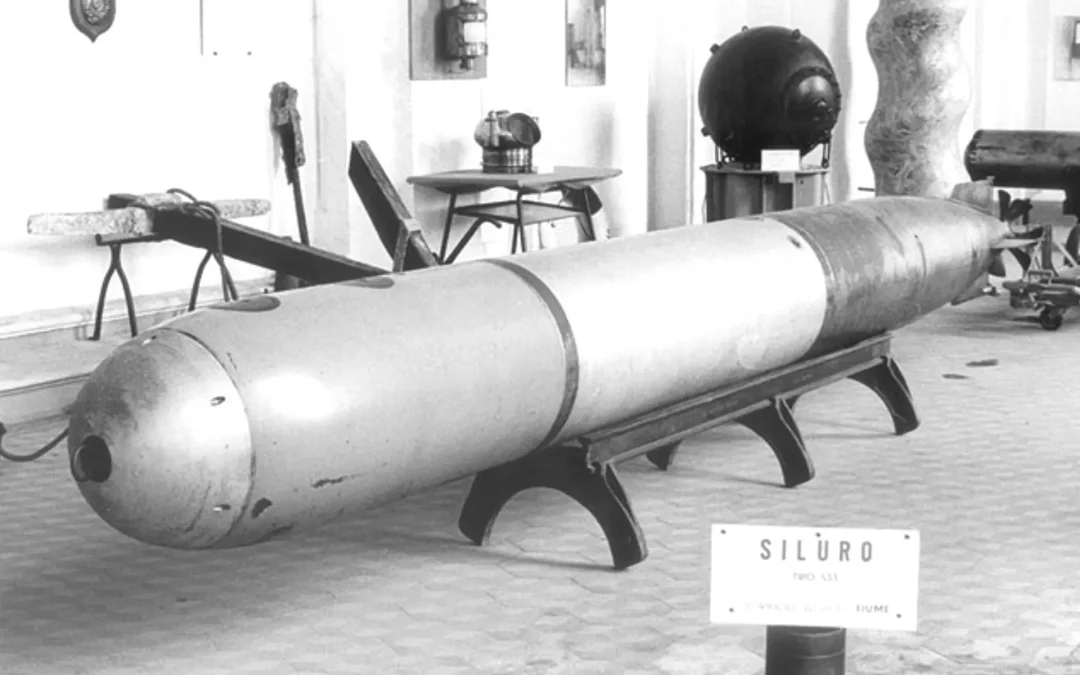
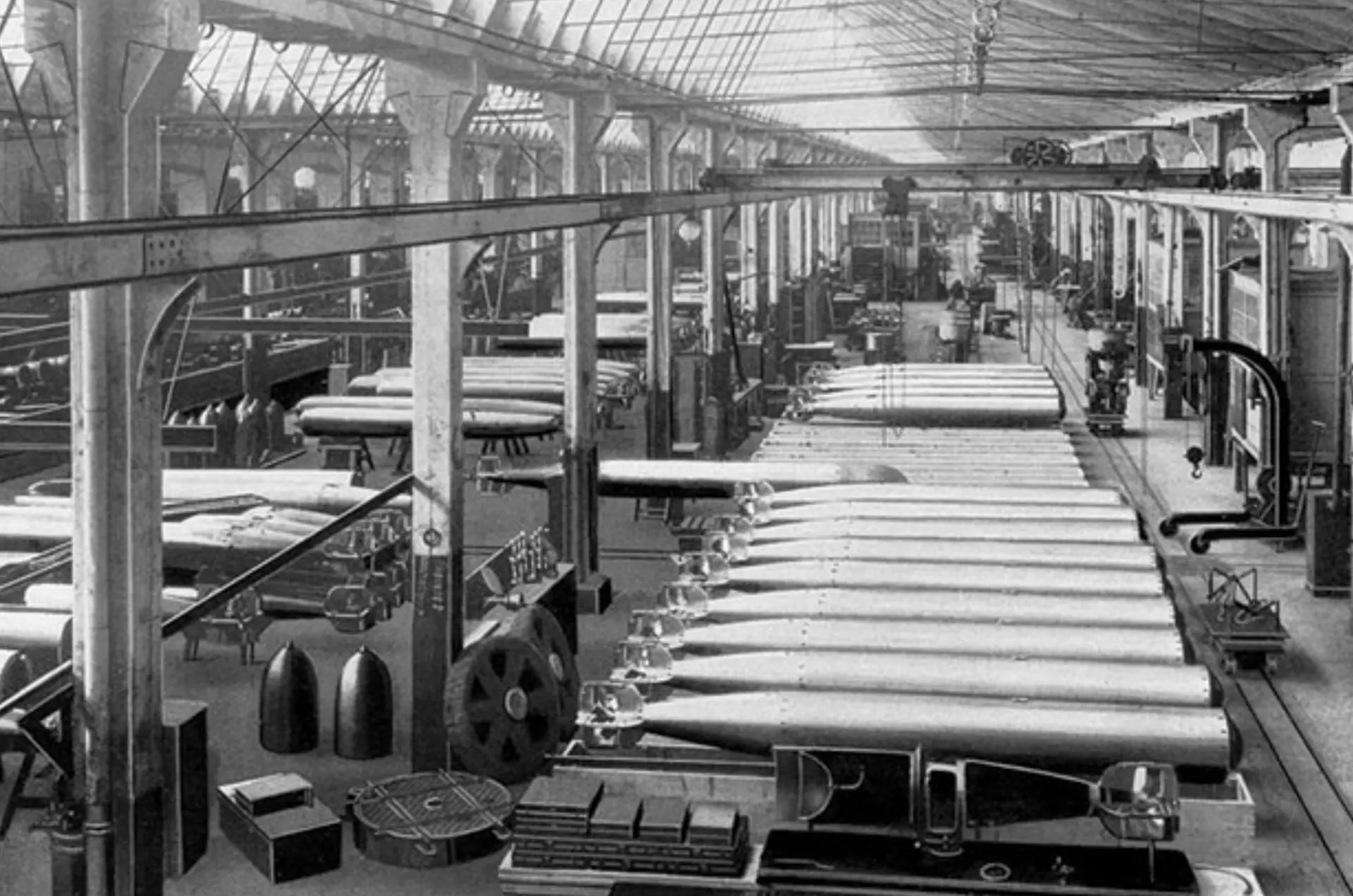
The Torpedo's Conception: A Rijeka Rhapsody
Alright, alright, settle down, people. Let's talk torpedoes. Not the kind you grill, though I'm sure those have their own fascinating story involving evolution, camouflage, and probably some really awkward mating rituals. No, we're talking about the underwater projectile of doom, the thing that made naval warfare a whole lot more… dramatic. And like most things that end up changing the world (or at least blowing it up), this story starts with a guy, a dream, and a healthy dose of mid-life crisis.
Picture this: mid-19th century, Rijeka – then Fiume – a sleepy port town minding its own business. Suddenly, BAM! A naval revolution is brewing. You might think, "Rijeka? What's exciting about Rijeka?" Well, besides the presumably excellent seafood, it birthed the torpedo. So, you know, important. Our protagonist? Giovanni Luppis.

Maybe he was hungry. Luppis's early prototypes were… let's just say they were a testament to the fact that having a vision doesn't necessarily mean you have the skills to execute it. One of his creations involved glass wings. Glass wings. I mean, seriously? Did he think he was building an underwater angel of death? Another one was powered by a clockwork mechanism. Imagine trying to sink a battleship with a giant, underwater wind-up toy. It’s almost comical. Almost.
Enter the Brit: From Boilers to Boom
Now, this is where Robert Whitehead enters the picture. A British engineer, naturally. Because, let's face it, the Brits have a knack for getting involved in everything, from tea and crumpets to global empires and underwater explosives. Whitehead was running the Stabilimento Tecnico Fiumano in Rijeka. Which, I’m guessing, translates to something like “The Place Where We Make Stuff That Goes Boom.” He'd already made a name for himself in the engineering world, so he wasn't just some random tinkerer.
Whitehead, unlike the Austro-Hungarian Navy, saw something in Luppis's clunky contraptions. Maybe it was the potential for profit. Maybe he was just bored with building boilers. Or maybe, just maybe, he recognized the potential to revolutionize naval warfare.
Whatever his motivation, Whitehead took Luppis's "Salvacoste" and said, "Hold my beer" (or, more accurately, "Hold my compressed air"). He wasn't just going to improve it; he was going to revolutionize it. Whitehead’s big breakthrough was self-propulsion.
Luppis’s inventions were basically glorified floating bombs. Whitehead’s “Minenschiff” (mine ship – not exactly catchy, but it got the point across) was a sleek, underwater missile powered by compressed air. Think of it as a torpedo with a serious attitude problem. Picture a long, cigar-shaped metal tube, filled with explosives and propelled by a noisy, hissing engine. Not exactly elegant, but definitely effective.
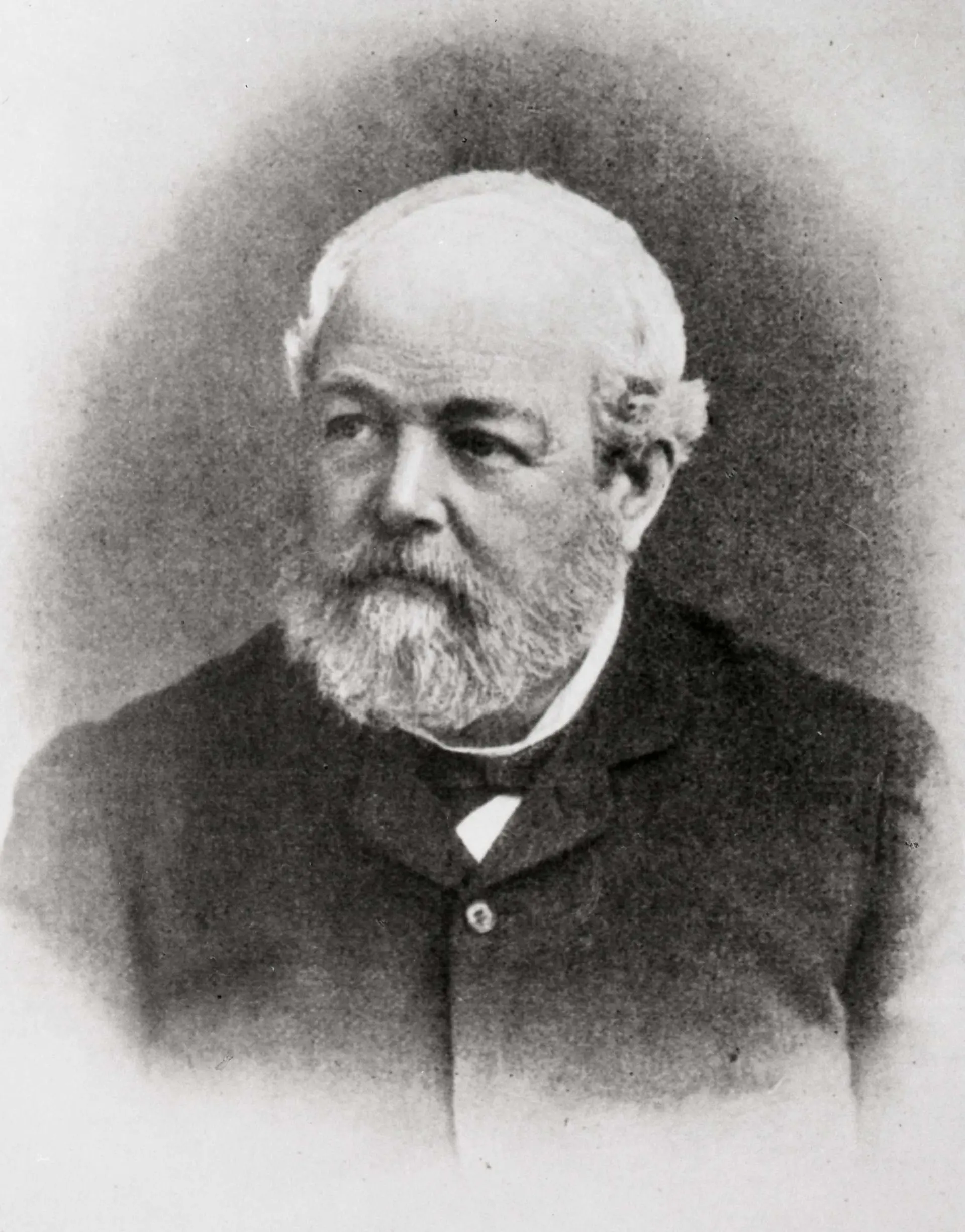
The "Minenschiff" – Because "Torpedo" Sounds Too Friendly
He introduced a hydrostatic valve and a pendulum.
Sounds complicated, right? Well, it was. But the result was a torpedo that could maintain a consistent depth. No more underwater shopping cart mayhem. He essentially gave the torpedo a brain, albeit a small, mechanical one.
From Rijeka to the World: Torpedo Mania
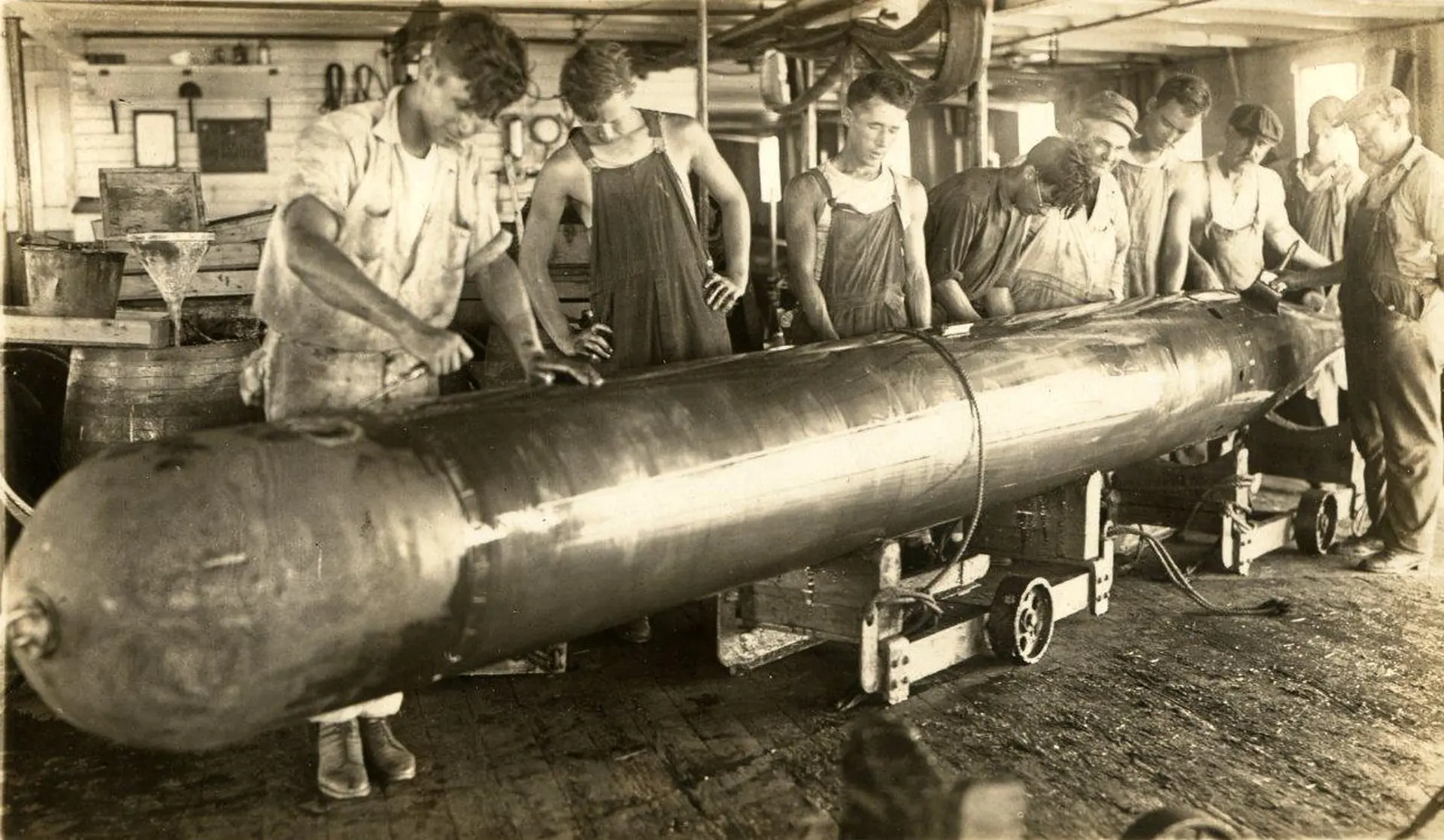
Rijeka, once a sleepy port town, was now the epicenter of torpedo mania. It was like the underwater equivalent of the gold rush.
The Copycat Problem: Everyone's Doing It
Whitehead, to his credit, tried to protect his patents, but it was like trying to hold back the tide. Torpedo technology was evolving rapidly, and it was hard to keep up.
New materials, new engines, new guidance systems – everyone was trying to build a better torpedo. It was an arms race, but underwater.
The torpedo changed naval warfare forever. Suddenly, small ships could take down big ones.
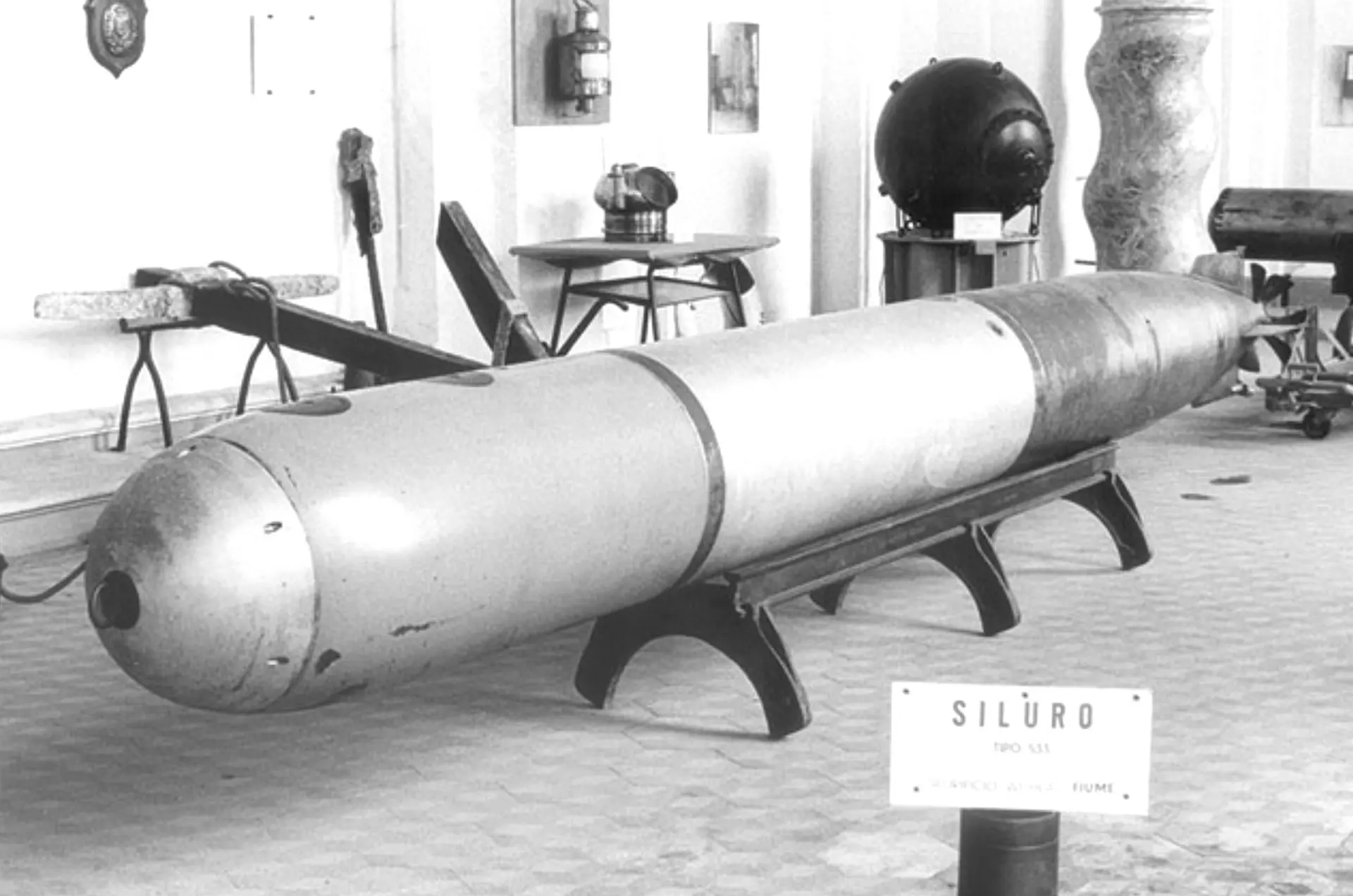
Legacy: Boom Goes the World (and Rijeka's Economy)
Luppis gets some credit, sure. He had the initial spark of an idea. But let's be honest, without Whitehead, his "Salvacoste" would have remained a quirky footnote in naval history.
Whitehead took that spark and turned it into a full-blown inferno. He's the guy who brought the boom. And Rijeka? Well, they got a torpedo factory and a place in history. Not a bad deal, all things considered. They also got a boost to their economy, which is always nice.
The Human Cost: Collateral Damage
The torpedo, like any invention, could be used for good or for evil. It's a powerful tool, and with great power comes great responsibility, as some wise guy once said. The impact of the torpedo on naval warfare is undeniable. It forced navies to rethink their strategies, their ship designs, and their tactics. It ushered in a new era of naval combat, one that was faster, more destructive, and, well, a lot more explosive.
The Torpedo Today: Still Kicking (and Exploding)
They're still a key part of naval arsenals around the world. They’re like the cockroaches of the sea – they just won’t die.
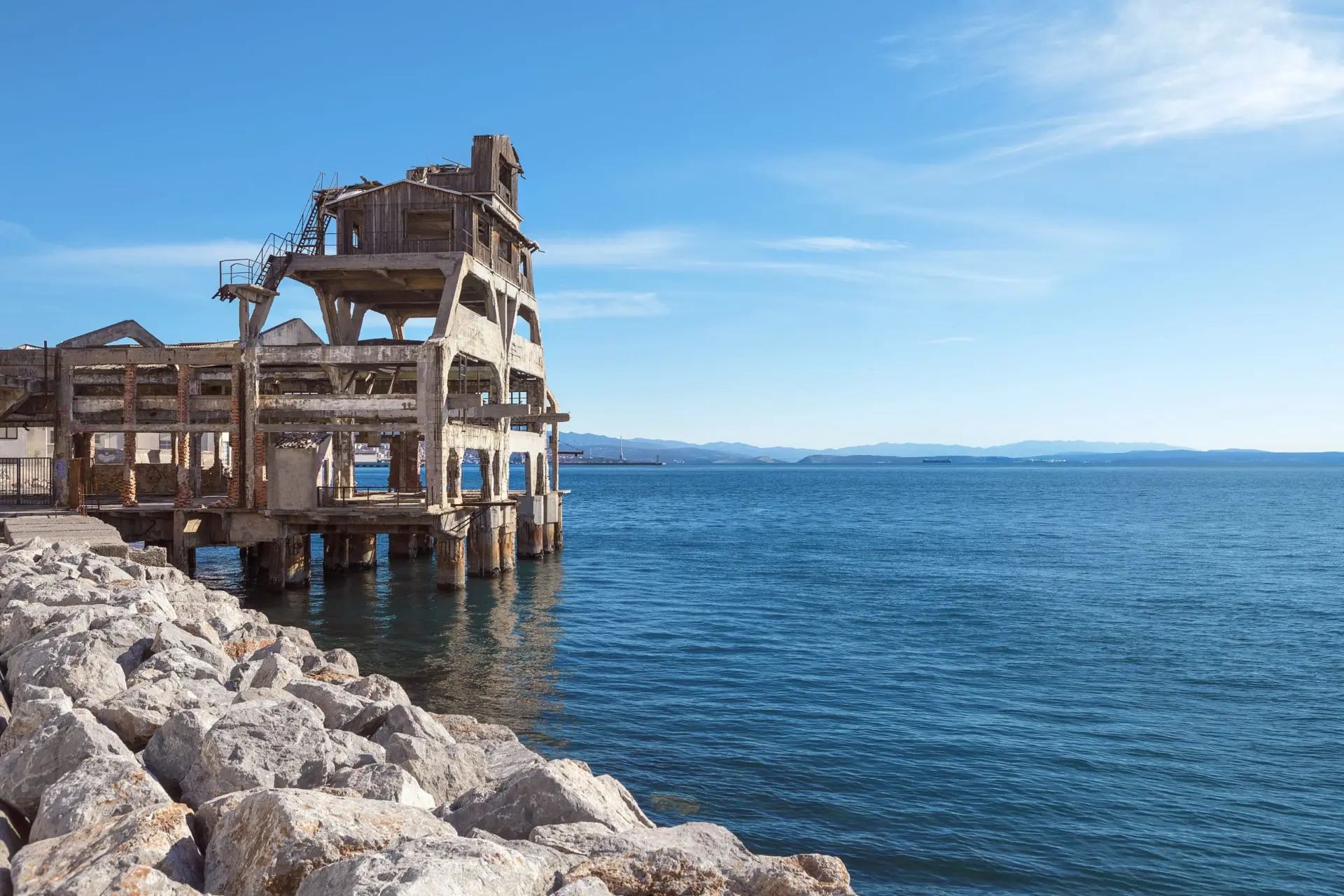
Rijeka's Legacy – From Sleepy Port to Torpedo Town
So, the next time you're enjoying some delicious grilled seafood in Rijeka, take a moment to think about the torpedo. It's a reminder that even the sleepiest of port towns can be the birthplace of something truly revolutionary. And that sometimes, the best way to solve a problem is with a really big explosion.